
Hiring exceptional people is every business leader’s goal, but relying on a few star performers isn’t a sustainable business strategy. A winning team needs a solid roster of well-trained, high-quality players who can reliably deliver results. It’s up to leaders to ensure these consistent contributors are engaged and motivated to do their best work, because an engaged workforce helps organizations become more resilient, innovative and profitable. However, leaders often overlook an easy, low-cost way to get more from employees–meaningful, authentic recognition. This simple yet powerful leadership strategy can help transform team performance and workplace culture.
Recognition has a host of benefits, both for employees and organizations. According to an analysis by Gallup, regular recognition by leadership not only boosts an individual’s engagement, it also motivates them, increases productivity, and makes an employee more likely to stay with the company. When employees are authentically appreciated, they feel more valued. They see that their contributions matter to their leaders and the company as a whole, which leads to a greater sense of belonging.
Acknowledging team members for their work is also a huge contributor to stress reduction and burnout prevention. A Gallup/Workhuman study found that regular and genuine recognition made employees 73% less likely to feel burnt out and 56% less likely to look for a new job. Turnover from burnout and stress can be expensive for businesses. Replacing a professional in a technical position costs companies around 80% of their salary, and replacing frontline employees costs 40% of their salary. Regular recognition costs nothing, and goes a long way toward building a work environment where people can thrive and perform at their best.
Yet despite how easy it is to show appreciation, it is a huge missed opportunity for leaders and managers. The same Gallup/Workhuman study revealed that 81% of leaders don’t consider recognition to be a strategic priority. However, recognition is becoming increasingly important. Gen Z and millennials prefer higher levels of recognition than older generational cohorts, with 75% of younger employees saying they want genuine recognition from their manager at least a few times a month. This gap between what employees want and what leaders are prioritizing shows up in low levels of employee engagement. At companies across the world, lack of recognition is a major contributor to low psychological safety, an essential ingredient for engagement and performance.
Authentic appreciation cannot be an afterthought; it must be a key leadership strategy to retain top performers and engage a multigenerational workforce.
Four ways to incorporate recognition into your culture
Financial incentives are an important way to acknowledge employees for their hard work, but they are not the only way to show appreciation. In fact, many workers say they would rather get recognition from a senior executive than a bonus or other monetary award. Here are four actionable practices leaders can use immediately to create a culture of recognition and appreciation:
- Make regular recognition a priority. I’ve written before about the power of giving regular recognition and feedback. The good news: prioritizing recognition and appreciation doesn’t have to take a lot of time. Stop by someone’s desk to say thank you for a job well done, or send an email acknowledging they went above and beyond on that last project, bonus points if you copy your manager on the email. These efforts don’t have to be huge; if they are consistent, they will give team members confidence that their contributions are being seen and appreciated.
- Recognition must be authentic and specific. Authenticity is perhaps the most important condition for real appreciation. Automated recognition platforms are fine, but they are no substitute for a personal and heartfelt thanks. Employees are looking for individualized and authentic recognition from their managers and leaders — and they can tell when it is insincere or too generalized. Genuine appreciation builds trust between leaders and team members, and fosters a greater overall sense of belonging in the company culture.
- Make sure workplace accolades are distributed evenly. If the same high-profile stars get shout-outs over and over, then recognition only reinforces the idea that some team members are more valued than others. By only praising externally facing or revenue-driving performers, a lot of great work will go unnoticed and unsung, resulting in resentment and frustration. Make a point to acknowledge the solid accomplishments of folks who might be working in the background, and when applicable, praise the entire team when shouting out an accomplishment.
- Create a culture of peer appreciation. Recognition among team members is just as important as appreciation from a leader or manager. When peers recognize each others’ successes or efforts—regardless of the outcome—it helps create stronger relationships on the team. Strong peer-to-peer relationships also make a difference for engagement and retention. Establishing this culture starts with leadership; along with setting the tone through recognizing your team members regularly, create ongoing opportunities for the team to publicly acknowledge each other for their work.
Inclusive leaders understand the power of honest, frequent and authentic recognition. It creates strong feelings of loyalty and belonging in the person being praised, and it inspires more good work because it sets an aspirational example for others to follow. Spotlighting the results you want to see is an efficient way to grow the consistent performers who are critical to your company’s operational success. Making recognition a strategic priority helps leaders retain top talent, cultivate better workplace relationships, and improve business outcomes. It’s also one of the easiest and cheapest ways to help foster an engaged, high-performing workforce.
About the Author
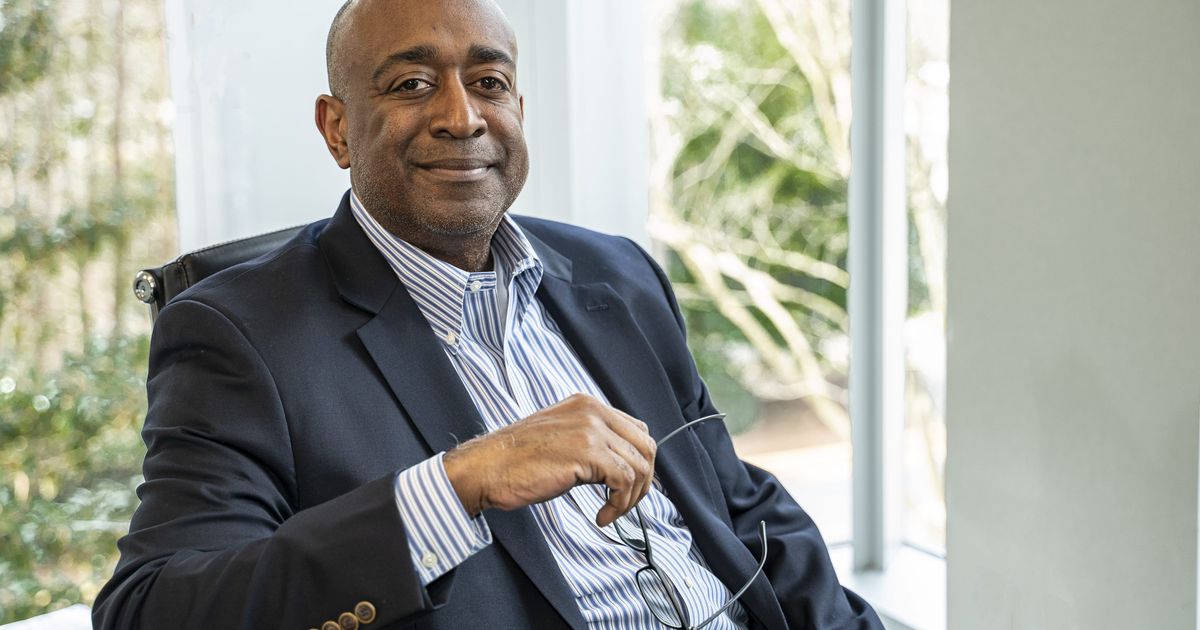
Donald Thompson, EY Entrepreneur Of The Year® 2023 SE Award-winner, founded The Diversity Movement, a Workplace Options Company, to fundamentally transform the modern workplace through diversity-led culture change. Recognized by Inc., Fast Company and Forbes, Thompson is author of Underestimated: A CEO’s Unlikely Path to Success, hosts the podcast “High Octane Leadership in an Empathetic World” and has published widely on leadership and the executive mindset. His new book is The Inclusive Leadership Handbook: Balancing People and Performance for Sustainable Growth, co-authored with Kurt Merriweather, Vice President of Marketing and Innovation at The Diversity Movement. Follow Thompson on LinkedIn for updates on news, events and his podcast, or contact him at [email protected] for executive coaching, speaking engagements or DEI-related content.
link