


These sensors continuously monitor machine performance and learn to recognize what patterns or anomalies indicate equipment failure. If these anomalies are detected, the sensor alerts maintenance teams in real-time—often before the failure occurs.
With this advanced notice, teams can optimize their maintenance schedules, and both reduce operational costs and minimize production delays thanks to fewer equipment failures.
Enhancing quality control
Computer vision (CV) technology is a field of AI technology being used to enhance quality control and inspections. This technology enables computers to analyze digital images, videos, and other inputs, and then precisely identify any defects and inconsistencies. It can be used in real-time to ensure that all products, and individual components of products, meet strict specifications.
Podcast: AI, automation and computer-aided manufacturing
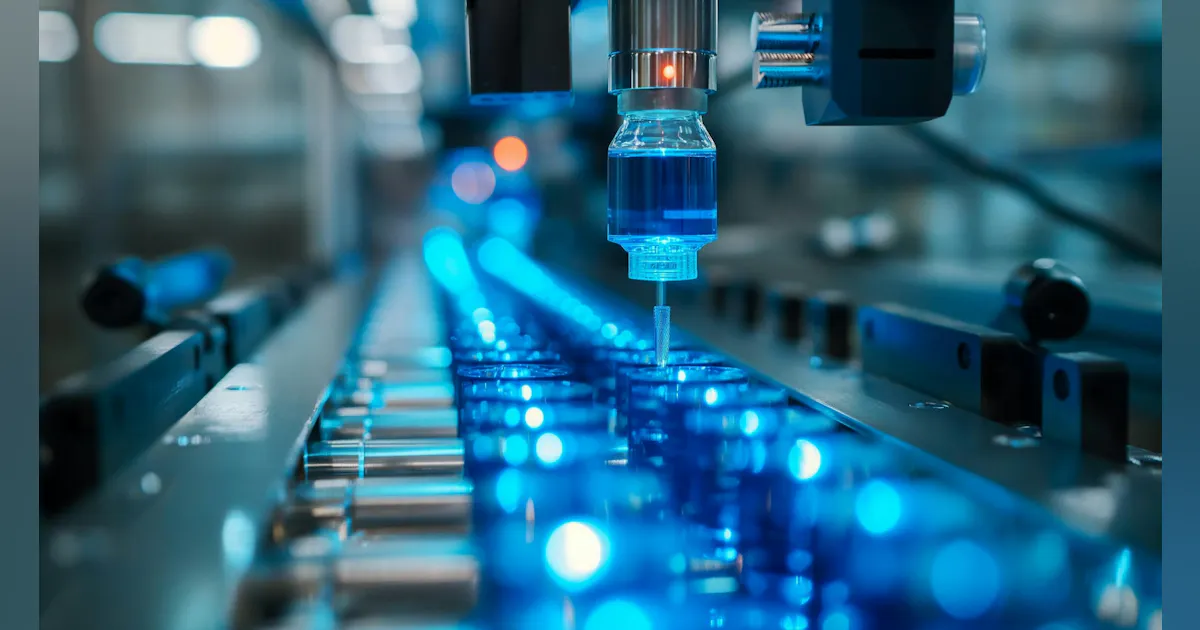
CV tech is especially useful in high-speed production environments. Cameras and sensors can be used to capture images of products as they move along production lines. These images are then analyzed by AI, at which time any imperfections or critical failures can be noticed, even those not easily detected by the human eye.
The in-depth attention to detail made possible by CV technology leads to improved product consistency and quality, reduced human error, faster inspection times, and improved customer satisfaction.
Optimizing supply chain management with AI analytics
AI technologies focused on supply chain management provide one or more of the following benefits:
- Better productivity: These are technologies that analyze all business processes with a focus on identifying ways in which processes can be streamlined and improved for better productivity and operational efficiency.
- Shorter time to market: AI-powered analytical devices can predict market fluctuations and disruptions. Some tools will also provide suggestions as to how best to respond. With these insights, manufacturers can stay ahead of demand and improve logistics to keep their time to market low.
- Inventory optimization: AI-powered tools and systems can process large volumes of data quickly, ensuring that manufacturers know what materials/products are in stock and which must be replaced. They can continuously monitor inventory levels and sales trends to support proactive, business-specific decision-making.
All in all, AI-solutions for supply chain management support reduced costs, better resource utilization, and enhanced customer satisfaction.
Improving workforce productivity with AI-powered automation
AI-powered solutions aren’t only for machinery—they can also help support employees. These technologies can automate repetitive (and often mundane) tasks, enabling employees to focus on more complex, meaningful, and skilled responsibilities.
See also: New report reveals ‘grind’ of digital transformation, slow road to success
For example, collaborative robots can perform tasks such as cleaning, lifting, and transporting. Employees who were responsible for those tasks now have time for professional development and can be trained to grow in other areas.
When adopting AI that works in this way, be sure to speak to all employees ahead of time. You don’t want your workforce to be afraid they’re going to lose their jobs or that you in any way see them as replaceable. Highlight the new opportunities available for employees and show them that there is still very much a place for them in the company.
Energy efficiency and sustainability with AI
Finally, we come to energy efficiency and sustainability. There are several ways manufacturers can use AI systems to optimize energy consumption, lower operating costs, reduce their environmental footprint, and align with other sustainability goals.
- Building management: AI tools can recognize when rooms are empty and automatically turn off lights. They can also learn to predict building occupancy and energy needs based on weather, season, and time of day, and automatically adjust heating and cooling.
- Energy consumption: AI-analytics solutions can identify inefficiencies in manufacturing processes and suggest improvements that will reduce energy consumption.
- Reduced waste: With AI tools improving demand forecasting and inventory management, manufacturers can optimize resources and reduce waste.
AI technologies offer manufacturers many benefits. From safeguarding Wi-Fi network reliability to optimizing supply chain management, AI is there to improve efficiency, reduce costs, and bolster operational efficiency.
Webinar rewind: ‘Next Year’s AI’ and more 2025 industrial technology insights
Incorporating these technologies into your organization’s day-to-day operations provides a competitive advantage and ensures a digital transformation that will support your business long-term.
link